
 Get in touch




26 May 2026
New EPAH publications put the most vulnerable at the heart of energy poverty action
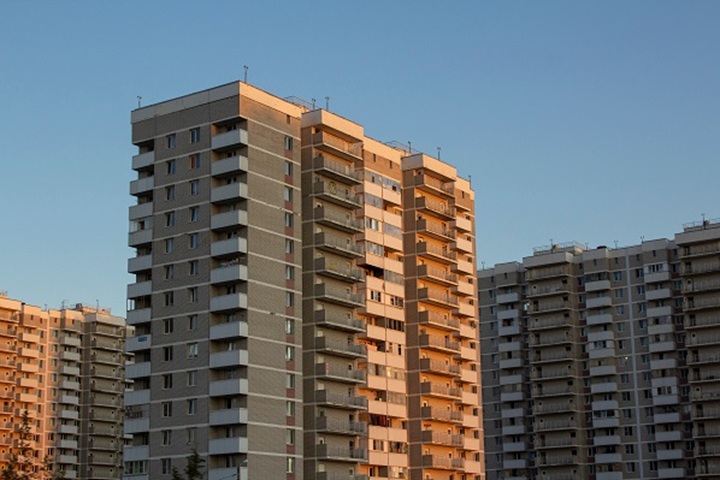
Publications help local authorities deliver fairer, more targeted energy poverty policies.
Knowing where energy poverty is most acute and who it affects most is the first step towards tackling it effectively. Two new Energy Poverty Advisory Hub (EPAH) publications deliver exactly that: practical tools for inclusive local action, and a robust methodology for identifying the regions and communities most at risk across Europe.
Addressing vulnerability and equity in energy poverty action
Local authorities play a key role in ensuring that energy poverty policies are fair, inclusive, and responsive to diverse needs. The EPAH’s new guideline, Addressing vulnerability and equity in energy poverty action provides practical support for integrating vulnerability and equity considerations into local action through a human-centred approach focused on lived experiences and unequal access to energy services. The publication highlights how energy poverty is shaped by intersecting factors such as health, housing conditions, income, age, disability, gender, migration background, social isolation, climate and access to information and support. Through practical tools, checklists and case studies, it helps identify households at risk, address barriers to access, and prioritise support for those most vulnerable to exclusion, contributing to fairer and more effective local energy poverty policies and actions.
Methodology for the identification of EU regions with higher vulnerability to severe energy poverty
This EPAH report presents a methodology to identify regions most vulnerable to energy poverty across Europe. It combines a top down analysis of regional data from Eurostat with a bottom up validation from national and local experts. This approach helps confirm high risk regions while also identifying additional areas and specific communities such as cities, municipalities, and neighbourhoods.
Drawing on the EPAH Antenna network, the report brings together data and on the ground insight to provide a more accurate and nuanced picture of where energy poverty is most acute.
Have questions? Get in touch!
 Contact us